The human interaction in emojis
2020-06-09
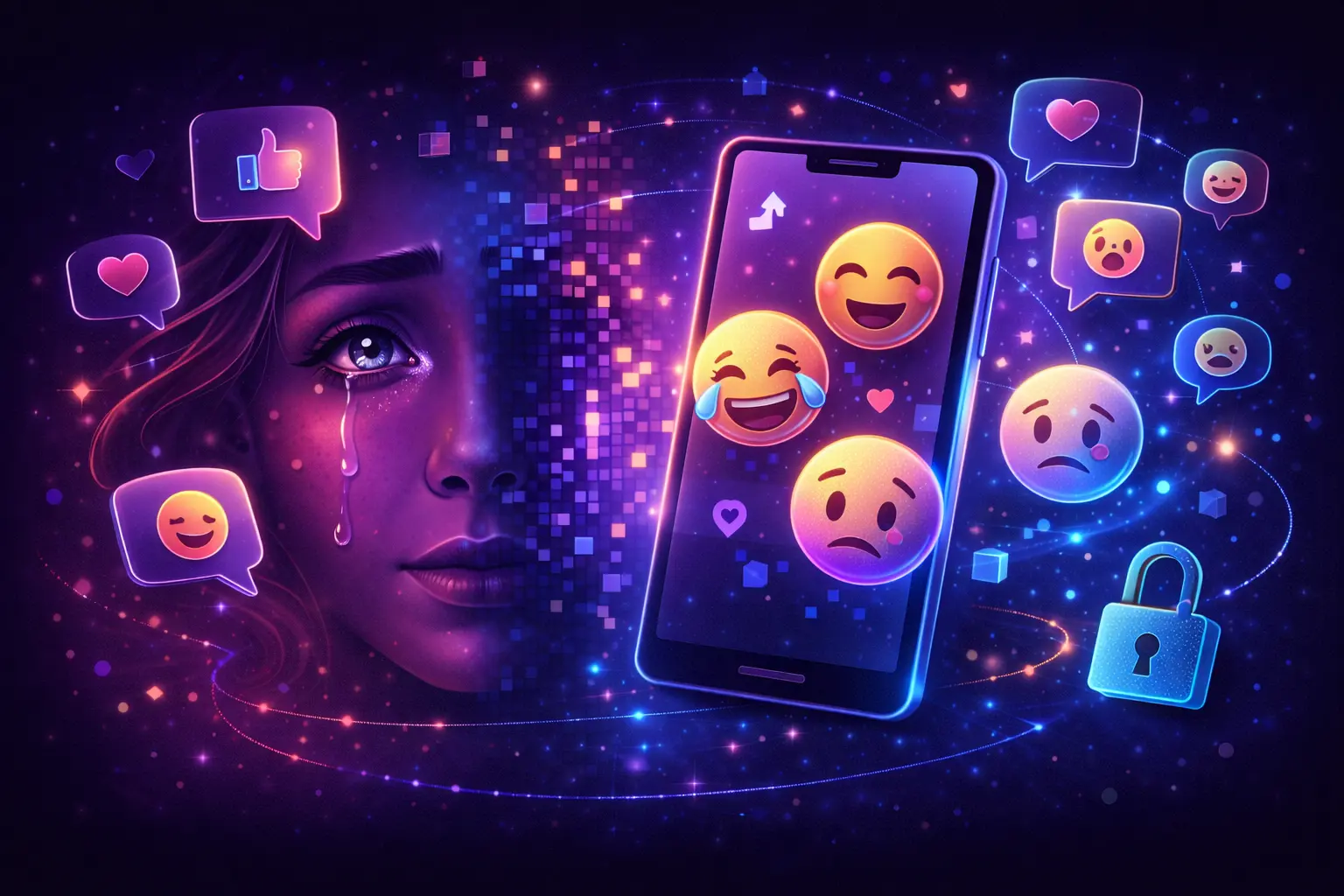
What I intend to talk about here reminds me a lot of what I wrote in 2017 about the constant deterioration in human communication after technology.
The emoji is a symbol used to express meaning. Emojis are different from typed words, because while most typing in the 21st century requires software, hardware, data and electricity to allow a person to access the alphabet in text, using emojis requires a smartphone — from Apple, Samsung and others — and the simulation of the expression itself.
The expression of the emoji, this simulation, is a minor delight, because it seems to solve the depersonalization crisis that haunts the digital age. The goal of all communication is communion between people, but the isolation of the person, in text on a screen, strips communication of almost all style, strips words of personal presence, of empathy with a human being on the other side of the bright screen. The lack of personal presence is felt as a movement contrary to communion.
Using Apple’s smiley face to say “I’m happy” is almost like paying Apple to express your happiness 😊
These are not expressions of real felt emotions. People don’t feel the need to truly smile when they use a Samsung smiley face or cry when they select Apple’s version of a sad face. The “kisses and hugs” carry no past, present, or future promises of the symbol. These expressions are bandages used to cover the wound of depersonalized communication.
The human face has infinite diversity of expression. The most massive library of blinking and smiling yellow pixels could only scratch the surface of what is felt and expressed in the flesh of the face. Choosing to “express yourself” using a pixelated expression is not experiencing it “fully and personally.” It is agreeing to a category given by Apple and used by the general public.
The emoji, then, is a digital solution to a digital problem
Expressing an emotion with a gif; responding with a meme; digging up some acronym, hashtag, or agreed-upon trending term to answer Facebook’s lively question: “What’s on your mind?” — all fulfil the culture of anonymous communication.
Emojis, gifs, memes, SEO-optimized articles, hashtags, autocorrect, auto-suggestion — this growing diversity of tools can be unified, as they all create a dependence on people other than the writer for communication ability. Like most digital conveniences, they start out as fun. Then their use becomes a habit. Then that habit replaces old communication habits of one’s own — like elaborate vocabularies or the ability for well-founded argumentation. At this stage, digital communication becomes necessary: we cannot express ourselves without images, laugh without ironic references and memes, read without subtitles and image breaks suggested by SEO, or chat with our friends without relying on yellow corporate expressions to ensure we are in communion.
Here the lines blur, and humanity begins to use their devices “in real life” — speaking their memes, vocalizing their hashtags and acronyms, making faces and sticking out their tongues to express themselves, living in the flesh the devices they use. That they now depend on to communicate.
Here, we become spokespersons for the technology that owns the world.
Latest Articles

The human interaction in emojis
2020-06-09
Leading small teams
2020-06-04